The Stillwater River
One of Montana’s finest freestone fisheries. Clear water from the Beartooth Mountains to the Yellowstone — lively character, consistent trout.

Anything But Still
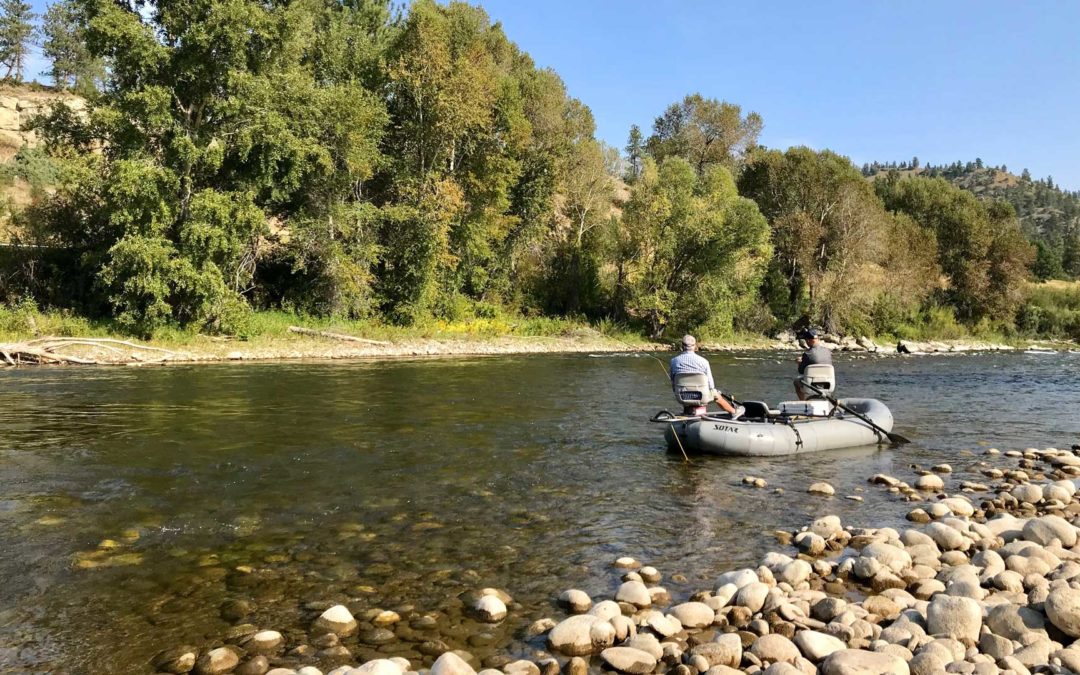
Although its name suggests calm water, the Stillwater is anything but still. Anglers fish a mix of pocket water, deep runs, and fast riffles that create a fun and engaging experience for both wading and floating. The water clarity on the Stillwater is exceptional — fed by snowmelt from the Beartooth Mountains, the river runs clear even when other drainages are still off-color from runoff.
The upper sections hold higher trout densities, and during summer months, rising fish can often be found throughout the day. Spring hatches, summer hatches, and fall transitions all provide opportunities to find active fish, and anglers often appreciate the variety the river offers from one mile to the next. The Stillwater is a river where dry fly enthusiasts thrive — the surface-feeding windows are generous and predictable.
The upper river, from the Forest Service boundary to the confluence with the Rosebud, contains tight, energetic water with changing gradients — perfect for walk-and-wade fishing where you can work individual pools and runs at your own pace. The lower river offers a different feel with deeper runs and longer glides suited for float trips. These two sections create distinct fishing styles, and your guide will match you with the water that best fits your goals for the day.
Species & What to Expect
The Stillwater supports healthy populations of Rainbow, Brown, and Brook Trout. Rainbows are the dominant species, holding in the faster riffles and runs where they feed aggressively on surface insects. Browns favor the deeper water of the lower river, and Brook Trout inhabit the upper tributaries and side channels. Fish average 12 to 16 inches, with rainbows over 18 inches taken regularly during peak hatch activity.
What makes the Stillwater special is the quality of the dry fly fishing. On a typical summer day, you can expect two to three distinct feeding windows — an early morning Baetis or Caddis hatch, a midday lull followed by PMDs or Yellow Sallies, and an evening Caddis or terrestrial window that can last until dark. This rhythm gives the day a natural structure that keeps things engaging from first cast to last.
Our Home Water
The Stillwater River is the closest major river to Montana Fly Fishing Lodge. The lodge sits along the East Rosebud Creek, which is a tributary of the Stillwater — meaning you're quite literally on this watershed from the moment you arrive. The proximity allows for quick access and flexible scheduling, and it's common for guides to put guests on the Stillwater for an afternoon session after a shorter morning on a nearby creek or spring creek.
The Stillwater in Frame


Plentiful and Predictable
Explore More Rivers
Yellowstone River →
Boulder River →
Bighorn River →
Begin Your Montana Story
Whether it's your first trip or your twentieth, there's always new water to discover. Let us help you plan the perfect fly fishing experience.

